Our Launch
We launched our new online store in November 2025 with a simple goal: build a small, reliable shop that focuses on useful electronics and home essentials—stuff people actually need, not trendy junk that disappears in a month. We didn’t start with a warehouse or a huge budget. We started with a plan, a website, and a lot of late nights.
At first, everything felt exciting and fast. Picking a store name, setting up the domain, building the storefront, writing product pages, and trying to make the site look legit. Then reality hit: e-commerce isn’t just “post products and profit.” It’s a stack of moving parts—suppliers, pricing, product data, shipping rules, customer expectations, and SEO—where one small mistake can ripple into a big mess.

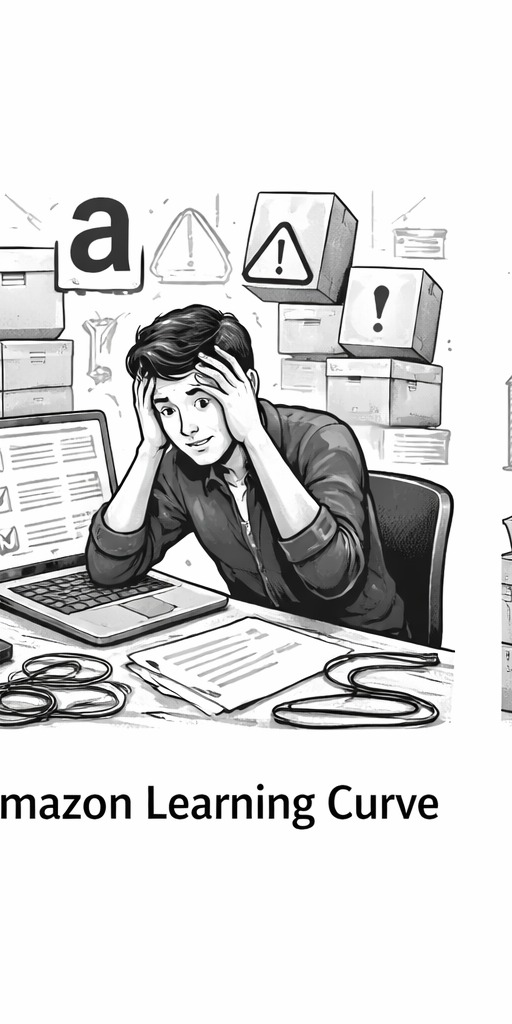
The Amazon FBA learning curve (aka: the struggle)
Our first idea was to start selling products though Amazon FBA, and that’s where things got… intense.
What we didn’t fully understand at the beginning was how strict (and sometimes confusing) Amazon’s product data and catalog systems can be. We ran into the classic problems new sellers face: product listings not updating the way we expected, attributes that seemed to “stick” to old info, template fields that weren’t obvious, and inventory statuses that didn’t match what we thought we submitted. Sometimes a listing looked fine on our side but didn’t reflect correctly on the customer-facing side. Other times, getting a product fully corrected felt like pushing a boulder uphill—submit, wait, re-check, and repeat.
It taught us a big lesson: Amazon is powerful, but it’s not forgiving. To do FBA right, you need clean product data, consistent identifiers, and patience for the approval-and-processing pipeline.
One thing we learned early is Amazon Seller Support is absolutely horrendous! Very few were helpful at all, and many lead us down paths that would have caused massive loss! Be careful of the information and advise you get from Amazon Seller Support!
Why we kept going anyway
Even with the hiccups, we didn’t quit. We learned to take things step-by-step, document what works, and build our store the right way—one improvement at a time. Every problem forced us to level up: clearer product descriptions, better site structure, tighter policies, and smarter setup.
This is just the beginning, but we’re proud of the progress. If you’re building something too: keep going. The messy middle is where the real business gets built.